

The least damaging way to get your nails done is to keep your natural nails intact and choose a simple manicure with gentle shaping, minimal cuticle work, moisturizing, and regular polish or no polish. This avoids many of the filing, adhesives, curing, and removal procedures associated with acrylics, gel extensions, dip powder, and other enhancements.
If you prefer longer-lasting manicures, gel polish can still be an option when applied and removed correctly. The most important ways to reduce damage are avoiding excessive filing, never peeling products off, protecting the surrounding skin, and choosing a clean salon that follows proper sanitation practices.
What Is the Least Damaging Nail Service?
A basic manicure is generally the most conservative option for protecting natural nails. It can include gentle trimming, light shaping, minimal cuticle care, moisturizing, and regular nail polish.
You can also skip polish entirely. The fewer products and procedures used on your natural nails, the fewer opportunities there are for damage.
The same idea applies to pedicures. A simple pedicure with cleaning, trimming, shaping, gentle cuticle care, moisturizing, and regular polish is a low-maintenance choice.
If you have pain, swelling, an open wound, or a suspected infection, seek medical advice instead of having a nail technician treat the issue.
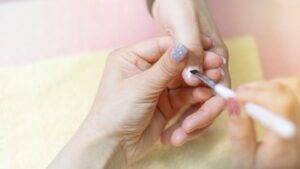
Is Regular Nail Polish the Least Damaging?
Regular nail polish is generally one of the least intensive cosmetic options for your nails. It does not require UV or LED curing and does not add an artificial structure that must be filed down during removal.
The main disadvantage is durability. Regular polish may chip sooner and require more frequent touch-ups. Still, it is a simple option when minimizing potential nail damage is your main concern.
Is Gel Less Damaging Than Acrylic?
Gel polish can be less physically intensive than acrylic extensions, but it is not damage-free. Acrylic services often involve more preparation, shaping, artificial material, and removal.
Gel can still contribute to damage when nails are aggressively filed, product is peeled off, or removal involves excessive scraping. Uncured gel touching the surrounding skin may also cause irritation or allergic reactions.
What Is More Damaging: Gel, Dip, or Acrylic?
There is no universal ranking because application and removal technique make a major difference.
|
Nail Service |
General Concern |
|
Natural nails |
Minimal |
|
Regular polish |
Low |
|
Gel polish |
Filing, peeling, UV exposure |
|
Dip powder |
Filing and removal |
|
Builder gel |
Preparation and removal |
|
Acrylic extensions |
Filing, adhesives, removal |
|
Very long extensions |
Added mechanical stress |
A carefully performed service may cause less damage than one that is poorly applied or removed. Technique matters greatly.
Why Does Nail Filing Cause Damage?
The natural nail is made primarily of layers of keratin. Filing is normal, but excessive filing can thin the nail plate.
Your technician should use the minimum preparation necessary. You should not feel that your natural nails are being aggressively thinned just to make a product adhere.
If your nails become unusually thin, sensitive, or painful after an appointment, consider discussing it with your technician and taking a break from enhancements.
Don’t Peel Nail Products Off
One of the easiest ways to protect your nails is to avoid picking or peeling products.
Pulling off gel, dip powder, or acrylic can remove layers of the natural nail. This can result in thinning, peeling, roughness, brittleness, and breakage.
If an enhancement starts lifting, have it removed properly instead of pulling it off.
Is Cutting the Cuticle Bad?
Aggressive cuticle cutting can damage the protective skin around the nail.
Rather than requesting extensive cuticle removal, ask for gentle cleanup. Moisturizing your cuticles regularly can also help keep the surrounding skin healthy.
How Can I Get My Nails Done Without Damaging Them?
Start with healthy nails and choose a simple service. Request minimal filing and gentle cuticle care. Avoid excessively long or heavy enhancements, and have artificial products professionally removed.
Moisturize your hands and cuticles regularly. Wear gloves during household chores, keep nails at a manageable length, and avoid using them as tools.
If your nails become thin, brittle, painful, or start peeling, consider stopping enhancements until the damaged portion grows out.
What Is the Least Damaging Way to Get Long Nails?
Growing your natural nails is the least invasive way to have long nails.
Keep them filed smoothly, moisturized, and at a reasonable length. Protect them during household work and avoid using them to pry, scrape, or open objects.
Artificial extensions provide immediate length but require more maintenance. Longer extensions can also place additional leverage on the natural nail, so a moderate length may be a better choice.
Are Gel Extensions Less Damaging Than Acrylic?
Neither gel extensions nor acrylics should be considered completely damage-free. Both may require preparation, filing, and professional removal.
The better choice depends on your natural nail condition, technician technique, amount of filing, extension length, frequency of appointments, and removal process.
If your nails are already damaged, consider letting them recover before applying extensions.
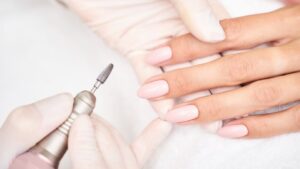
Is Builder Gel Less Damaging?
Builder gel can provide extra structure without requiring extremely long extensions, but it is not inherently healthier than natural nails.
Minimize filing, keep product off the surrounding skin, follow curing instructions, avoid picking, and have the product removed correctly.
Do Nails Need to “Breathe”?
No. Nails do not need to breathe from the air.
The visible nail plate is hardened keratin and does not obtain oxygen from the atmosphere. Taking a break from enhancements can still be useful because it reduces filing, chemical exposure, and mechanical stress.
Should You Take a Break From Gel or Acrylic?
There is no universal rule requiring everyone to take breaks. However, consider a break if your nails become thin, brittle, peeling, painful, rough, or discolored.
During a break, keep your nails short and moisturized while allowing damaged areas to grow out.
How Important Is Salon Hygiene?
Salon hygiene is very important.
When searching for nail salons near me, look for a salon that keeps workstations clean, properly disinfects reusable tools, uses appropriate disposable supplies, maintains pedicure equipment, and practices good hand hygiene.
Do not hesitate to ask how tools and equipment are cleaned.
How to Keep Your Nails Healthy Between Appointments
Apply hand cream and cuticle oil regularly. Wear gloves during household chores involving water or cleaning products. Keep nails at a manageable length and avoid biting, picking, scraping, or using them as tools.
These simple habits can help reduce breakage and maintain healthier-looking nails.
What If My Nails Are Already Thin or Brittle?
The least damaging approach is usually to simplify your routine. Keep nails short, minimize filing, avoid extensions temporarily, moisturize regularly, and give damaged areas time to grow out.
If nail problems are severe or involve pain, swelling, persistent discoloration, or other unusual changes, speak with a healthcare professional.
When Should You Skip a Nail Appointment?
Consider postponing your appointment if you have open wounds, significant swelling, severe nail pain, suspected infection, unexplained nail separation, or significant inflammation.
A nail technician should not be expected to diagnose or treat a medical condition.
Frequently Asked Questions
What is the least damaging way to get your nails done?
Keep your natural nails and choose a simple manicure with gentle shaping, minimal cuticle work, moisturizing, and regular polish or no polish.
Is gel or acrylic less damaging?
Gel polish may be less physically intensive than acrylic extensions, but neither is guaranteed to be less damaging. Proper application and removal are key.
Is dip powder healthier than gel?
Not necessarily. Dip powder avoids UV/LED curing but can involve filing and removal. Gel also has potential concerns related to UV exposure, filing, and improper removal.
How do I get my nails done without damaging them?
Choose an experienced technician, request minimal filing, avoid aggressive cuticle cutting, do not peel products off, keep enhancements reasonably short, and have them removed properly.
What is healthiest for weak nails?
Natural nail care is generally the most conservative choice. Keep weak nails short, moisturize them, minimize filing, and consider avoiding extensions until they recover.
Conclusion
The least damaging way to get your nails done is to keep your natural nails intact and choose a simple, gentle manicure or pedicure. Regular polish or no polish is generally less intensive than gel, dip powder, builder gel, or acrylic enhancements.
For enhancements, focus on proper sanitation, gentle preparation, minimal filing, correct curing, careful removal, and regular moisturizing. Never peel artificial products from your nails, and pay attention to signs of damage.
For those searching for nail salons near me, nail salons in Naperville, or nail salons open near me, Naperville Nail Spa provides manicure and pedicure services for customers who want polished, well-maintained nails. For questions or appointments, call (331) 701-7925.
