
Understanding the Importance of Cleanliness in Nail Salons
Cleanliness is one of the most important factors that determines the safety of any beauty service environment. A professional nail salon should maintain strict hygiene practices to protect clients from bacteria, fungi, and other contaminants. Because nail services involve close contact with hands, feet, skin, and tools, proper sanitation is essential for reducing health risks.
A clean workspace creates a safer and more comfortable experience for every customer. Surfaces should be regularly disinfected, treatment areas should be organized, and disposable items should be replaced after each use. Simple practices, such as washing hands before services and keeping equipment properly stored, demonstrate a salon’s commitment to customer care.
Beyond visible cleanliness, professional standards involve consistent procedures that customers may not always notice. Staff members should follow sanitation guidelines throughout the day, not only when preparing for inspections or busy periods. A salon that prioritizes hygiene usually reflects professionalism, attention to detail, and respect for clients.
How Tools and Equipment Should Be Sanitized
The tools used during nail services require careful handling because they come into direct contact with customers’ skin and nails. Files, clippers, cuticle tools, and other equipment can carry microorganisms if they are not cleaned correctly. Proper sterilization and disinfection procedures help reduce the possibility of contamination between clients.
A reliable nail salon should separate clean tools from used equipment to prevent accidental exposure. Reusable metal instruments should go through appropriate cleaning and disinfecting steps before being used again. Disposable tools should typically be discarded after one client to maintain proper hygiene.
Customers can often recognize good sanitation practices by observing how professionals prepare for appointments. Clean tools should be presented in a sanitary manner, and staff should avoid placing disinfected equipment on unclean surfaces. These small details show whether a business takes safety seriously.
Equipment maintenance also matters. Pedicure chairs, soaking tubs, and electronic devices should be cleaned regularly because moisture-rich areas can encourage bacterial growth. Proper attention to both large equipment and smaller instruments creates a safer overall experience.
Choosing Safe Nail Products and Understanding Ingredients
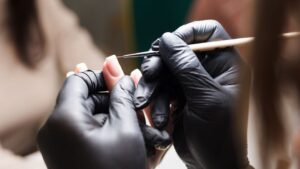
The products used during nail treatments can affect both appearance and personal health. Nail polishes, gels, acrylic materials, removers, and skincare products should be stored properly and used according to manufacturer instructions. High-quality products combined with responsible application methods contribute to a safer salon experience.
Customers may have different sensitivities to certain ingredients, making communication important. Some individuals experience irritation or allergic reactions from specific chemicals found in nail products. A professional technician should be willing to discuss available options and provide guidance based on a client’s preferences or concerns.
Proper product storage is another sign of good management. Containers should be closed when not in use, labels should remain visible, and expired products should not be applied. Organized product areas often indicate that a salon follows careful procedures.
Using trusted brands and maintaining clean application methods can also improve the quality of results. Products should never be contaminated by dirty brushes, tools, or surfaces. Technicians should apply materials carefully while maintaining cleanliness throughout the process.
The Role of Professional Training and Experience
A technician’s knowledge and training play a major role in maintaining safe nail care practices. Proper education teaches professionals how to handle equipment, recognize potential problems, apply products correctly, and follow hygiene procedures. Experienced technicians are more likely to understand the importance of protecting clients during every appointment.
Training also helps prevent common issues caused by improper techniques. Cutting cuticles too aggressively, using excessive pressure, or applying products incorrectly can damage nails and surrounding skin. Skilled professionals know how to provide services while minimizing unnecessary risks.
A responsible nail salon invests in staff development and encourages employees to stay updated on industry standards. Continued learning allows technicians to improve their methods and adapt to new products, tools, and safety recommendations.
Customer communication is another important part of professional service. Good technicians listen to concerns, explain procedures, and recommend suitable treatments. This creates a more personalized experience while helping customers understand how to care for their nails after appointments.
Why Proper Ventilation Matters During Nail Services
Ventilation is an often-overlooked part of salon safety. Many nail products contain chemical ingredients that produce odors and vapors during use. A well-designed ventilation system helps improve air quality by reducing the buildup of fumes and creating a more comfortable environment for both clients and employees.
Good airflow is especially important in busy salons where multiple services happen at the same time. Without proper ventilation, strong smells from polish removers, acrylic products, and other materials may become uncomfortable. A fresh and well-ventilated space contributes to a more pleasant appointment.
A professional salon should consider both general air circulation and targeted solutions near service areas. Air filtration systems, open spaces, and proper product storage can all support better indoor conditions. These practices demonstrate attention to workplace safety as well as customer comfort.
Clients may notice ventilation through simple signs, such as a clean-smelling environment and the absence of overwhelming chemical odors. While some product smells are normal, excessive fumes may indicate that improvements are needed.
What Customers Can Do to Support a Safe Experience
Customers play an important role in maintaining a safe salon environment. Before scheduling an appointment, clients can research reviews, check cleanliness standards, and choose businesses with strong reputations for professional care. Making thoughtful choices helps encourage higher standards across the beauty industry.
During an appointment, communication is essential. Clients should inform technicians about allergies, sensitivities, or previous reactions to products. Sharing this information allows professionals to recommend suitable options and adjust services when necessary.
Personal hygiene habits also contribute to safety. Customers should avoid receiving nail services when they have open cuts, signs of infection, or irritated skin around the treatment area. Protecting personal health helps create a safer environment for everyone.
Recognizing Signs of a Safe and Hygienic Salon
Identifying a trustworthy salon becomes easier when customers know what warning signs and positive indicators to look for. A trustworthy nail salon usually demonstrates cleanliness through organized stations, properly stored equipment, and attentive staff practices. The overall appearance of the facility can provide important clues about its commitment to hygiene.
Clean work areas, fresh towels, sanitized tools, and professional customer service are all positive signs. Staff members should follow consistent procedures instead of rushing through preparation between appointments. Attention to these details shows that safety is a priority rather than an afterthought.
Customers should also be aware of potential concerns. Unclean surfaces, reused disposable items, poor organization, or strong chemical odors may indicate that a salon needs better safety practices. Clients should never feel pressured to continue a service if they are uncomfortable with the environment.
How to Choose the Right Nail Salon for Your Needs
Selecting the right nail salon requires more than considering price or location. Customers should look for businesses that demonstrate strong hygiene standards, professional service, and consistent attention to detail. A salon’s reputation, customer feedback, and overall environment can help determine whether it is the right choice.
Before booking an appointment, clients can explore available services, review customer experiences, and consider how the salon communicates with potential customers. Professional businesses usually provide clear information about treatments, pricing, and safety practices.
The quality of customer service also matters. Friendly communication, careful consultations, and respect for client preferences create a more positive experience. A good salon focuses on building trust rather than simply completing appointments quickly.
Conclusion
Safe and hygienic nail care depends on proper sanitation, trained professionals, quality products, clean equipment, and responsible salon practices. Customers can protect themselves by choosing businesses that prioritize cleanliness, transparency, and professional standards. Paying attention to tool handling, workspace organization, ventilation, and customer service can make a significant difference when selecting a salon.
For those looking for professional nail services in Naperville, Naperville Nail Spa focuses on providing a comfortable and carefully maintained environment for clients. The team is committed to delivering quality nail care while emphasizing customer satisfaction and hygiene. To schedule an appointment or learn more about available services, contact Naperville Nail Spa at +1 331-701-7925.
https://tusarkhan2646.podbean.com/e/are-nail-salons-safe-and-hygienic/
https://www.podomatic.com/podcasts/tusarkhan2646podcast/episodes/2026-08-20T06_30_15-07_00
https://stream.redcircle.com/episodes/1a58b7d9-810b-4e33-b75d-038542a023a5/stream.mp3
